
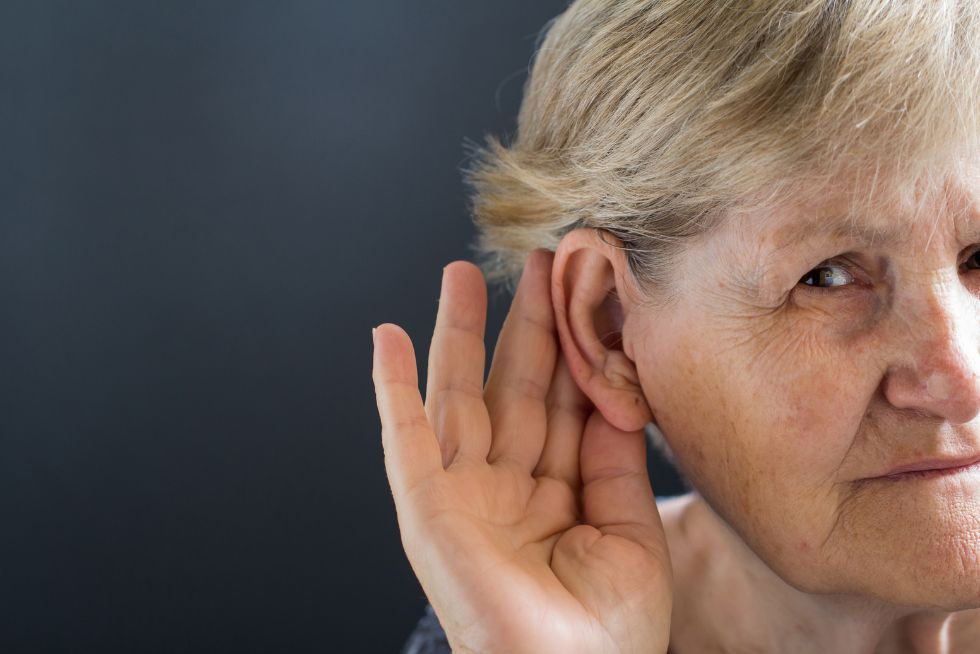
- Age-related hearing loss is a gradual change in hearing that often affects clarity, especially with higher-pitched sounds and conversation in background noise.
- It can develop slowly enough that family members notice the change before the person with hearing loss does.
- The Hearing Connection provides hearing evaluations in Massapequa, NY for adults who want answers about age-related hearing loss and communication changes.
Age-related hearing loss can be easy to dismiss at first. You may turn up the TV a little more, miss a word here and there, or feel like other people mumble. In quiet settings, you may still hear well enough, but restaurants, family gatherings, and phone calls become harder.
This type of hearing loss is often called presbycusis. It usually develops gradually over time and is one of the most common hearing changes adults experience as they get older.
The important thing to know is that age-related hearing loss is not just about volume. Many people can still hear that someone is talking, but speech sounds less clear. A hearing evaluation can help explain what is changing and what kind of support may help.
What Is Age-Related Hearing Loss?
Age-related hearing loss is a gradual decline in hearing that becomes more common with age. It often affects both ears and is usually related to changes in the inner ear, auditory nerve, or the way the brain processes sound.
Many people first notice trouble with higher-pitched sounds. These sounds include consonants like S, F, T, K, and TH. When those details are harder to hear, speech can seem muffled even when voices are loud enough.
Age-related hearing loss is usually sensorineural, meaning it involves the inner ear or auditory nerve.
Why Does Hearing Change With Age?
Hearing depends on delicate structures inside the ear. Over time, these structures can change or become damaged.
Age-related hearing loss may involve:
- Wear on the tiny sensory hair cells in the inner ear
- Changes in blood flow to the inner ear
- Lifetime noise exposure
- Family history or genetic risk
- Health conditions that affect circulation or nerves
- Medications that can affect hearing
- Changes in how the brain handles sound signals
For many adults, age is only one part of the story. Noise exposure, medical history, diabetes, high blood pressure, smoking history, and certain medications may also play a role.
Common Signs of Age-Related Hearing Loss
Age-related hearing loss often develops slowly. Because the change is gradual, it may feel like everyone else is speaking less clearly.
Common signs include:
- Asking people to repeat themselves
- Feeling like others mumble
- Trouble following conversation in restaurants or groups
- Turning up the TV or phone volume
- Difficulty hearing women or children clearly
- Missing doorbells, timers, birds, or high-pitched alerts
- Feeling tired after long conversations
- Avoiding social situations because listening takes too much effort
- Ringing or buzzing in the ears
These signs do not always mean age-related hearing loss is the only cause. Earwax, middle ear problems, sudden hearing changes, and other conditions can also affect hearing. That is why testing matters.
Why Speech May Sound Muffled
Many people with age-related hearing loss say, “I can hear, but I cannot understand.” This happens because hearing clarity and hearing volume are not the same thing.
If high-frequency hearing is reduced, the brain may receive an incomplete speech signal. Vowels may still come through, but consonants become harder to separate. Words like “sat,” “fat,” “that,” and “cat” may sound too similar.
Background noise makes this harder. In a quiet room, your brain may fill in missing pieces. In a restaurant or family gathering, competing voices and noise can make speech understanding much more difficult.
Is Age-Related Hearing Loss Normal?
Age-related hearing loss is common, but that does not mean it should be ignored. Many health changes are common with age, and we still check them because support can improve daily life.
Untreated hearing loss can affect more than hearing. It may make conversations more tiring, increase frustration, reduce social confidence, and make it harder to stay connected with family and friends.
Getting a hearing test does not commit you to hearing aids. It gives you information. You can learn whether hearing loss is present, what type it is, how much it is affecting speech, and what options make sense.
The Hearing Connection provides comprehensive hearing tests in Massapequa, NY.
Age-Related Hearing Loss vs Sudden Hearing Loss
Age-related hearing loss usually develops gradually. Sudden hearing loss is different and should be treated as urgent.
Seek prompt medical or audiology guidance if you notice:
- Sudden hearing loss in one or both ears
- Hearing that changes over hours or days
- New one-sided ringing
- Dizziness or vertigo with hearing change
- Ear pain, drainage, or pressure with a major hearing change
Do not assume sudden hearing loss is from aging, wax, or allergies. Sudden changes need timely evaluation.
How Age-Related Hearing Loss Is Diagnosed
A hearing evaluation can show whether your hearing changes fit an age-related pattern or whether another issue may be involved.
Testing may include:
- A conversation about your symptoms and listening challenges
- Otoscopy to check the ear canal and eardrum
- Pure-tone testing to measure the softest sounds you can hear
- Speech testing to measure how clearly you understand words
- Middle ear testing when needed
- A review of results and next steps
What an Audiogram May Show
An audiogram is the chart used to show hearing test results. With age-related hearing loss, the audiogram often shows more difficulty hearing higher frequencies than lower frequencies.
This pattern helps explain why speech may sound unclear. High-frequency sounds carry many of the crisp details in speech. When those sounds are softer or missing, increasing volume may help somewhat, but clarity may still require more targeted support.
Your audiologist can explain whether your results suggest age-related hearing loss, another type of hearing loss, or a combination of factors.
Can Age-Related Hearing Loss Be Prevented?
You cannot control every cause of age-related hearing loss. Genetics and natural aging can play a role. However, you can protect the hearing you have and reduce avoidable damage.
Helpful habits include:
- Use hearing protection around loud tools, concerts, firearms, or machinery.
- Keep headphone and earbud volume at safer levels.
- Give your ears breaks after noisy activities.
- Manage health conditions that affect circulation and nerve health.
- Ask about hearing-related side effects when starting new medications.
- Schedule testing when you notice changes instead of waiting years.
Prevention does not mean hearing will never change. It means you are reducing unnecessary strain on the hearing system.
What Helps Age-Related Hearing Loss?
The right support depends on the test results, communication goals, and lifestyle. Some adults need monitoring only. Others benefit from hearing aids, assistive listening devices, communication strategies, or a combination of tools.
Support may include:
- Hearing aids for improved access to speech sounds
- Real ear measurement to verify hearing aid settings
- Assistive listening accessories for phone, TV, or group settings
- Communication strategies for family conversations
- Tinnitus support if ringing or buzzing is present
- Follow-up care to adjust technology over time
For hearing aid support and ongoing device care, visit this page.
How Families Can Help
Family members often notice age-related hearing loss before the person experiencing it. That can lead to frustration on both sides. The person with hearing loss may feel blamed, while family members may feel ignored.
Helpful communication habits include:
- Get the person’s attention before speaking.
- Face them when talking.
- Reduce background noise when possible.
- Speak clearly without shouting.
- Rephrase instead of repeating the same words louder.
- Use captions for TV when helpful.
- Encourage a hearing test without making it feel like a criticism.
Support works best when the goal is easier communication, not winning an argument about who is mumbling.
Common Questions About Age-Related Hearing Loss
What age does age-related hearing loss start?
It varies. Some people notice changes in their 50s or 60s, while others notice them later. Risk depends on genetics, noise exposure, health history, and other factors.
Is age-related hearing loss permanent?
Age-related hearing loss is often permanent because it usually involves changes in the inner ear or auditory nerve. However, hearing support can often improve communication and listening comfort.
Does everyone lose hearing as they age?
Not everyone experiences the same degree of hearing loss. Some adults have very little change, while others develop significant difficulty. Regular testing can show what is happening in your ears.
Can earwax mimic age-related hearing loss?
Yes. Earwax can cause muffled hearing or fullness, and it can make hearing seem worse. A hearing evaluation often starts with an ear check so wax or other visible issues can be identified.
Are hearing aids the only option?
No. Hearing aids are common for age-related hearing loss, but recommendations depend on the results. Some people may need monitoring, communication strategies, assistive devices, tinnitus support, or medical referral.
Should I wait until hearing loss is severe?
No. Earlier testing gives you more information and may make it easier to adjust to support. You do not need to wait until conversations become exhausting.
Don’t Ignore the Early Signs of Hearing Loss
Age-related hearing loss is common, gradual, and often affects speech clarity before people realize how much they are missing. It is not simply a volume problem, and it is not something you have to guess about.
A hearing evaluation can show whether age-related hearing loss is present, how it is affecting speech understanding, and what steps may help you communicate more comfortably.
The Hearing Connection provides hearing evaluations and hearing care in Massapequa, NY. If you or a loved one is noticing more difficulty with conversation, TV volume, group settings, or ringing in the ears, scheduling a hearing test is a practical first step.
